Choosing the Perfect Interior Wall Paint Options

Selecting the right paint for your interior walls is a crucial step in transforming any space. The color, finish, and quality of paint all contribute to the overall ambiance and durability of your walls. Whether refreshing a single room or undertaking a full home makeover, understanding the various interior wall paint options is essential. This guide will walk you through the key considerations and practical advice to help you make an informed decision.
Exploring Interior Wall Paint Options
When it comes to interior wall paint options, there is a wide range of choices available. Paints differ not only in color but also in finish, composition, and durability. The most common finishes include matte, eggshell, satin, semi-gloss, and gloss. Each finish serves a different purpose and suits different rooms.
Matte Finish: This finish offers a non-reflective surface that hides imperfections well. It is ideal for low-traffic areas such as bedrooms or ceilings.
Eggshell Finish: Slightly more lustrous than matte, eggshell provides a soft sheen and is easier to clean. It works well in living rooms and dining areas.
Satin Finish: Satin has a smooth, velvety appearance with a bit more shine. It is durable and moisture-resistant, making it suitable for kitchens and bathrooms.
Semi-Gloss Finish: This finish is shiny and highly durable. It resists moisture and stains, perfect for trim, doors, and high-traffic areas.
Gloss Finish: The most reflective and durable finish, gloss paint is often used for accents and surfaces that require frequent cleaning.
In addition to finish, paint types such as latex (water-based) and oil-based paints offer different benefits. Latex paints dry quickly, have low odor, and are easy to clean, making them popular for most interior walls. Oil-based paints provide a smoother finish and are more durable but take longer to dry and emit stronger fumes.
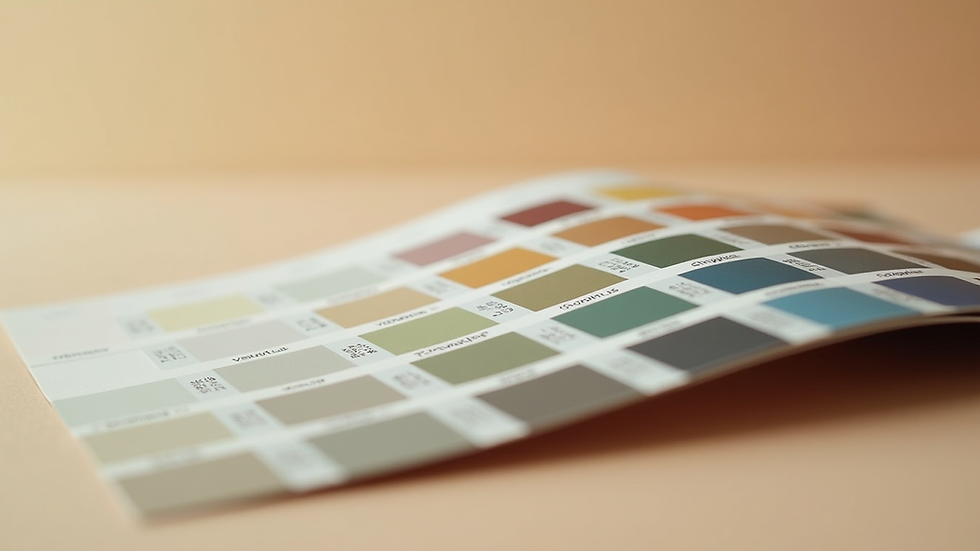
What is the 70/20/10 Rule in Interior Design?
The 70/20/10 rule is a classic guideline used in interior design to create balanced and visually appealing spaces. It can also be applied when selecting paint colors for interior walls.
70% - Dominant Color: This is the primary color that covers most of the room, usually on the walls. It sets the overall tone and mood.
20% - Secondary Color: This color complements the dominant color and is often used on furniture, curtains, or an accent wall.
10% - Accent Color: The smallest portion, this color adds contrast and interest. It is used in accessories, artwork, or small decor items.
Applying this rule helps maintain harmony and prevents overwhelming the space with too many colors. For example, a soft beige wall (70%) paired with navy blue furniture (20%) and bright yellow cushions (10%) creates a cohesive and inviting environment.
Factors to Consider When Choosing Interior Wall Paint
Several factors influence the choice of paint for interior walls. Understanding these will help you select the best option for your specific needs.
Room Function and Traffic
High-traffic areas such as hallways, kitchens, and bathrooms require durable, washable paint finishes like satin or semi-gloss. Bedrooms and living rooms can benefit from softer finishes like matte or eggshell, which provide a cozy atmosphere.
Lighting Conditions
Natural and artificial lighting affect how paint colors appear. Rooms with ample natural light can handle darker or bolder colors, while dimly lit spaces often benefit from lighter shades to enhance brightness.
Wall Condition
If walls have imperfections such as cracks or uneven textures, matte or eggshell finishes are preferable because they conceal flaws better than glossy paints.
Environmental and Health Considerations
Low-VOC (volatile organic compounds) or zero-VOC paints are recommended for indoor use to reduce harmful emissions. These paints are safer for occupants and better for the environment.
Color Psychology
Colors influence mood and perception. For example, blues and greens promote calmness, making them ideal for bedrooms. Warm colors like reds and oranges energize spaces, suitable for social areas.
Practical Tips for Choosing Paint and Preparing Walls
Before applying paint, proper preparation is essential for a smooth and lasting finish.
Test Samples: Purchase small paint samples and apply them to a section of the wall. Observe the color at different times of the day to ensure satisfaction.
Clean Walls: Remove dust, grease, and dirt to ensure paint adheres properly.
Repair Imperfections: Fill holes and cracks with spackle or filler, then sand smooth.
Prime Surfaces: Use a primer to improve paint adhesion and enhance color vibrancy, especially on new drywall or stained walls.
Use Quality Tools: Invest in good brushes and rollers for even application.
When choosing paint for interior walls, consider these steps to achieve professional results and a beautiful finish.

Enhancing Your Space with the Right Paint Choice
Selecting the perfect paint is more than just picking a color. It is about creating an environment that reflects your style and meets practical needs. The right paint can brighten a room, make it feel larger, or add warmth and comfort.
Consider combining paint with other design elements such as lighting, furniture, and decor to create a cohesive look. Remember that paint is a versatile and cost-effective way to refresh your space without major renovations.
By understanding the various interior wall paint options and following best practices, you can confidently transform your home or business interiors. This approach ensures that your walls not only look stunning but also stand the test of time.
Final Thoughts on Interior Wall Paint Selection
Choosing the perfect paint for your interior walls requires thoughtful consideration of color, finish, and functionality. By evaluating the room’s purpose, lighting, and wall condition, you can select paint that enhances both aesthetics and durability.
Investing time in preparation and testing will pay off with a flawless finish that elevates your space. Whether you prefer subtle neutrals or bold hues, the right paint choice can dramatically improve your environment.
With these insights, you are well-equipped to make informed decisions and enjoy the lasting benefits of a beautifully painted interior.



Comments