Preparing for Exterior Painting: Essential Steps for Success

Painting the exterior of a building is a significant investment in both time and resources. It enhances curb appeal, protects surfaces from weather damage, and increases property value. However, the key to a flawless and long-lasting finish lies in thorough preparation. I have learned that meticulous preparation not only ensures the paint adheres properly but also prevents premature peeling, cracking, and other common issues. In this article, I will guide you through the essential steps to prepare your exterior surfaces for painting, helping you achieve professional-quality results.
Preparing for Exterior Painting: The Foundation of a Great Finish
Before applying any paint, it is crucial to prepare the surface properly. This preparation involves cleaning, repairing, and priming the exterior to create an ideal canvas for the paint. Neglecting these steps can lead to costly repairs and repainting sooner than expected.
Cleaning the Surface
Dirt, mildew, and old paint residues can prevent new paint from adhering correctly. I recommend starting with a thorough cleaning using a pressure washer or a garden hose with a high-pressure nozzle. Use a cleaning solution specifically designed for exterior surfaces, such as a mixture of water and trisodium phosphate (TSP), to remove stubborn stains and mildew.
Wear protective gear such as gloves and goggles when handling cleaning chemicals.
Test a small area first to ensure the cleaning solution does not damage the surface.
Allow the surface to dry completely before proceeding to the next step.
Repairing Damaged Areas
Inspect the exterior for any damage such as cracks, holes, or rotting wood. These imperfections must be addressed to ensure a smooth and durable paint job.
Fill cracks and holes with an exterior-grade filler or caulk.
Replace rotted wood or severely damaged siding to prevent further deterioration.
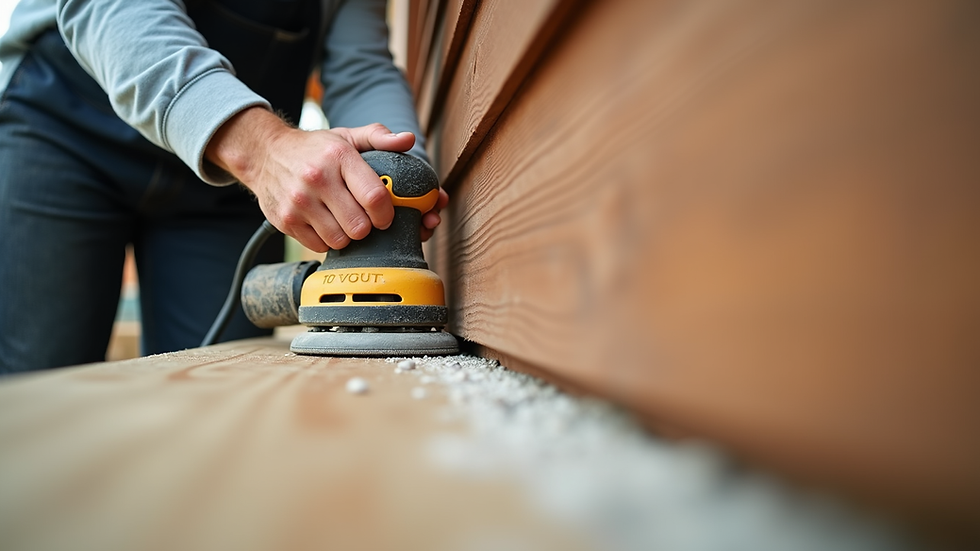
Sand rough patches to create an even surface.
Remove any loose or peeling paint using a scraper or wire brush.
Sanding and Priming
Sanding the surface smooths out rough spots and helps the primer and paint adhere better. Use medium-grit sandpaper for this task, focusing on areas where old paint remains.
Priming is essential, especially on bare wood, metal, or patched areas. A high-quality primer seals the surface, blocks stains, and improves paint adhesion.
Choose a primer compatible with your paint type (latex or oil-based).
Apply primer evenly and allow it to dry according to the manufacturer’s instructions.
Is October Too Late to Paint Outside?
Many homeowners wonder if painting in October is advisable, especially in regions with cooler climates. The answer depends on several factors, including temperature, humidity, and weather conditions.
Paint requires specific conditions to cure properly. Most exterior paints need temperatures above 50°F (10°C) during application and for at least 24 hours afterward. Additionally, low humidity and dry weather are ideal to prevent moisture from interfering with the drying process.
In Winooski, VT, October can be unpredictable. Early October often offers suitable conditions for painting, but as the month progresses, temperatures tend to drop, and rain becomes more frequent. I recommend checking the weather forecast carefully and planning your painting project during a stretch of dry, mild days.
If you must paint in October, consider using fast-drying paints formulated for cooler weather. Always avoid painting if rain is expected within 24 hours or if temperatures will fall below the recommended range.
Selecting the Right Tools and Materials
Having the proper tools and materials on hand is vital for a smooth painting process. I always prepare everything before starting to avoid interruptions.
Paint Selection
Choose high-quality exterior paint designed for your specific surface type. For example, wood siding requires a different formulation than stucco or metal.
Opt for paints with UV protection and mildew resistance.
Consider the finish: flat, satin, or gloss, depending on the desired look and durability.
Brushes, Rollers, and Sprayers
Use synthetic brushes for latex paints and natural bristle brushes for oil-based paints.
Select rollers with the appropriate nap length for the surface texture.
Paint sprayers can speed up the process but require skill and proper masking to avoid overspray.
Safety Equipment
Ladder or scaffolding for reaching high areas.
Drop cloths to protect plants and walkways.
Painter’s tape for clean edges.

Weather Considerations and Timing
Timing your exterior painting project around favorable weather conditions is crucial. Paint applied in unsuitable weather can fail prematurely.
Avoid painting on windy days to prevent dust and debris from sticking to wet paint.
Do not paint in direct, intense sunlight as it can cause the paint to dry too quickly and crack.
Early morning or late afternoon often provides the best conditions with moderate temperatures and less direct sun.
Planning your project during a period of stable weather will maximize the paint’s durability and appearance.
Final Preparations Before Painting
Before applying the first coat, take these final steps to ensure everything is ready.
Remove or cover outdoor furniture, plants, and fixtures.
Mask windows, doors, and trim with painter’s tape.
Double-check that all repairs are complete and surfaces are dry.
Stir the paint thoroughly and pour it into a tray or bucket for easy access.
By following these detailed preparation steps, you set the stage for a successful exterior painting project that will protect and beautify your property for years to come. For a comprehensive guide, you can explore the exterior painting preparation steps that cover all aspects in depth.
Ensuring Long-Term Success with Proper Maintenance
Painting is not a one-time task but part of ongoing maintenance. After completing your project, regular inspections and touch-ups will keep your exterior looking fresh and protected.
Clean surfaces annually to remove dirt and mildew.
Address any chips or cracks promptly to prevent water damage.
Repaint every 5-10 years depending on the paint quality and environmental exposure.
By investing time in preparation and maintenance, you ensure your exterior paint job remains a source of pride and protection for your property.
This comprehensive approach to preparing for exterior painting will help you achieve a professional finish that lasts. Taking the time to clean, repair, prime, and select the right materials is essential. Coupled with careful timing and proper maintenance, your exterior surfaces will look stunning and withstand the elements for many years.



Comments